
BLOG
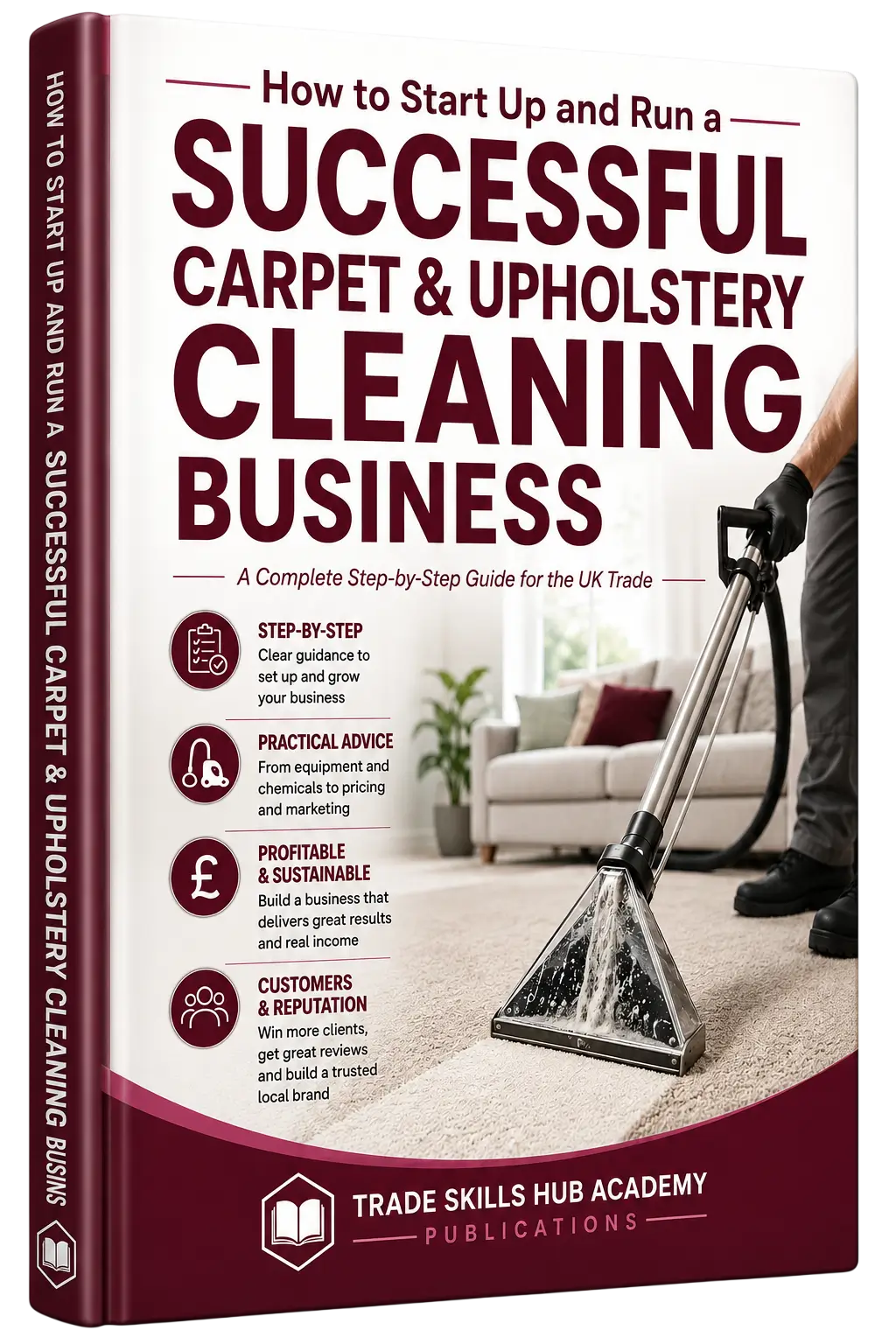
How to Start a Carpet and Upholstery Cleaning Business:
A Practical Guide.
Introduction
Starting a carpet and upholstery cleaning business is one of the most accessible ways to become self-employed. Every home, office, hotel and rental property contains carpets, rugs or upholstered furniture that gradually collect dirt, stains and odours. Homeowners want cleaner, healthier living spaces, landlords need properties prepared for new tenants, and businesses require professional cleaning to maintain their image.
Although this guide has been written with the UK market in mind, the principles apply across most English-speaking countries. Whether you live in Britain, Australia, Canada, New Zealand, Ireland or the United States, customers are looking for the same things: reliable service, honest pricing and excellent results.
Unlike many businesses, carpet and upholstery cleaning can be started without expensive premises or years of formal training. With the right equipment, a commitment to learning and a professional approach, and the help of a trade business start-up guide, it is possible to build a profitable business that delivers both financial rewards and personal freedom.
Why Carpet and Upholstery Cleaning Is a Strong Business Opportunity
The demand for professional carpet cleaning services is remarkably consistent. Families spill drinks, pets leave muddy footprints, children create stains and tenants move in and out of rental properties. Every one of these situations creates work for a professional cleaner.
One of the biggest attractions of the industry is the relatively low start-up cost. Compared with opening a shop or purchasing a franchise, the investment required is modest.
Most new business owners need:
- A professional carpet cleaning machine.
- Basic upholstery cleaning equipment.
- Chemicals and stain removers.
- A reliable van or vehicle.
- Public liability insurance.
- Training and certification.
Because overheads are relatively low, a well-run carpet cleaning business can achieve excellent profit margins. Many operators begin part-time and gradually develop a full diary of domestic and commercial customers through effective marketing.
Do You Need Qualifications?
Strictly speaking, there are no mandatory qualifications required to start a carpet cleaning business in the UK. However, training is strongly recommended. Customers are entrusting you with expensive carpets, rugs and furniture, and mistakes can be costly.
Professional training courses help new cleaners understand:
- Carpet fibres and upholstery fabrics.
- Cleaning methods and chemical selection.
- Health and safety procedures.
- Stain removal techniques.
- Equipment operation and maintenance.
- Customer care and complaint handling.
The most successful business owners never stop learning. Every property presents different challenges, and knowledge quickly becomes one of your greatest competitive advantages.
Understanding Carpet and Upholstery Cleaning Methods
New business owners are often surprised by how much technical knowledge is involved in professional cleaning. Different fibres, fabrics and stains require different approaches.
Hot water extraction remains the most common method for domestic carpet cleaning. This process uses heated water and specialist cleaning solutions to loosen dirt before it is extracted from the carpet fibres.
Low-moisture and encapsulation cleaning systems are popular in commercial environments because they reduce drying times and minimise disruption. Bonnet cleaning and dry compound methods also have their place in specialist applications.
Successful cleaners do not simply own equipment; they understand when and why each cleaning method should be used. Testing before cleaning, identifying the correct fibre and setting realistic expectations with customers are all essential skills.
Choosing the Right Equipment
Your equipment choices will shape your business for years to come. One of the biggest mistakes beginners make is either overspending on expensive machinery or purchasing cheap equipment that quickly proves inadequate.
A typical start-up package might include:
- Carpet cleaning machine.
- Wet and dry vacuum.
- Upholstery tools.
- Hand tools and brushes.
- Spotting kits and stain removers.
- Hoses and extension leads.
- Protective sheets and shoe covers.
Many operators start with portable extraction machines before eventually upgrading to larger systems as the business grows, a pattern also seen in pressure washing businesses, where equipment scaling follows a similar path. Reliability is often more important than buying the most expensive equipment available, and working out these decisions properly with the Trade Profit App can help you avoid overspending early on.
Your vehicle also deserves careful thought. A van provides storage, professional branding opportunities and room for future expansion, but many successful cleaners begin with a car and gradually upgrade as their workload increases.
How Much Can You Earn?
One of the most common questions asked by prospective cleaners is how much money the business can generate. The answer depends on your pricing, local market, efficiency and the services you offer.
In the first year, many new businesses focus on building experience and attracting customers. Income is often lower while systems and marketing strategies are refined.
As your reputation grows, several factors can increase profitability:
- Charging realistic prices.
- Grouping jobs geographically.
- Building repeat business.
- Offering upholstery cleaning alongside carpet cleaning.
- Securing contracts with landlords and letting agents.
- Introducing maintenance plans.
The key lesson is that turnover and profit are not the same thing. Fuel, chemicals, insurance and equipment costs all need to be factored into your pricing. Businesses that understand their numbers are far more likely to succeed in the long term.
Marketing Your Carpet Cleaning Business
Outstanding cleaning results alone are not enough. Customers need to know that your business exists.
A professional website is one of the most important marketing tools you can create. It should explain your services, showcase before-and-after photographs and provide simple ways for customers to contact you.
Local search optimisation is equally important. Many potential customers search online using phrases such as:
- Carpet cleaning near me.
- Upholstery cleaner in my area.
- End-of-tenancy carpet cleaning.
- Sofa cleaning services.
A Google Business profile, customer reviews and active social media pages can all help generate enquiries.
Offline marketing remains highly effective too. Leaflets, partnerships with estate agents and recommendations from satisfied customers continue to provide valuable work for many businesses. Word of mouth remains one of the strongest forms of advertising in the industry.
Domestic and Commercial Opportunities
Most new cleaners begin with domestic customers, but commercial work can provide stability and larger contracts.
Potential commercial clients include:
- Offices.
- Hotels and guest houses.
- Schools and colleges.
- Care homes.
- Restaurants and cafés.
- Property management companies.
Commercial contracts often require greater organisation and flexibility, but they can provide predictable income and long-term relationships.
Many successful businesses combine domestic and commercial work, allowing them to spread risk and maintain a full schedule throughout the year.
The Reality of Running the Business
There is a temptation to focus only on the attractive side of self-employment: flexible hours, independence and the satisfaction of building your own company. These benefits are real, but so are the challenges.
Running a carpet cleaning business means dealing with:
- Customer enquiries and quotations.
- Equipment maintenance.
- Insurance renewals.
- Chemical safety.
- Travel and scheduling.
- Accounting and tax returns.
- Difficult stains and occasional complaints.
The good news is that these are skills that can be learned. Success rarely depends on physical strength or natural talent. More often, it comes from professionalism, reliability and the willingness to improve continuously.
Building a Business That Lasts
The carpet and upholstery cleaning industry offers remarkable flexibility. Some operators choose to work four days a week and enjoy a comfortable lifestyle. Others build premium one-person businesses serving affluent clients. A smaller number develop multi-van operations employing staff and managing commercial contracts, often after winning larger contracts through public sector or corporate tendering.
Although this guide has been written primarily for a UK audience, the underlying business principles apply almost everywhere. Customers value honesty, punctuality and quality workmanship regardless of where they live.
If you are prepared to learn the trade, invest in the right equipment and treat your customers professionally, carpet and upholstery cleaning can provide an excellent route into self-employment.
People rarely buy carpet cleaning simply because they want cleaner floors. They buy peace of mind, pride in their homes and the feeling of walking into a fresh, clean room. Businesses that understand this simple truth are the ones that thrive for years to come.