
BLOG
How to Start a Painting and Decorating Business:
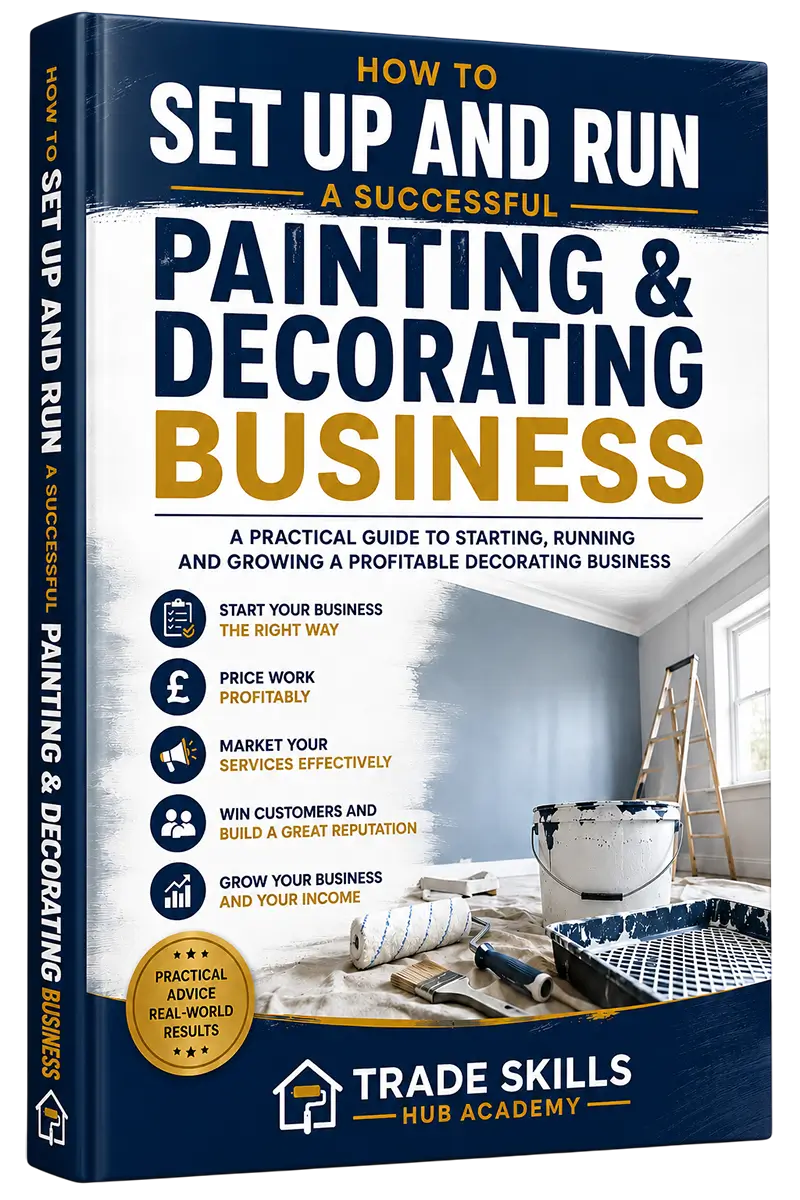
A Practical Guide to Building a Profitable Business
Introduction
Starting a painting and decorating business can provide an excellent route into self-employment. Demand for skilled decorators remains strong, with homeowners, landlords and businesses regularly investing in property improvements and maintenance.
While this guide has been written primarily with the UK market in mind, the same business principles apply across many English-speaking countries.
Why Painting and Decorating Is a Popular Business
Painting and decorating remains one of the most accessible trades to enter. Start-up costs are relatively low compared with many construction businesses, and there is plenty of scope to specialise as your experience grows.
Benefits include:
- Relatively low start-up costs.
- Flexible working patterns.
- Opportunities for repeat business.
- Strong demand from homeowners and landlords.
- The ability to work alone or build a larger company.
Is This the Right Business for You?
Successful decorators need more than the ability to apply paint. Running a profitable business requires self-motivation, organisation and excellent customer service.
Successful decorators are typically:
- Reliable and punctual.
- Good communicators.
- Detail orientated.
- Physically active.
- Comfortable working independently.
- Prepared to learn continuously.
Learning the Trade
Unlike some trades, there is no legal requirement to hold formal qualifications before starting a decorating business. However, training and practical experience can significantly improve the quality of your work.
Common routes into the trade include:
- College courses.
- Apprenticeships.
- Private training providers.
- Learning through practical projects.
- Working alongside experienced decorators.
Services You Could Offer
Many decorators begin with straightforward domestic work before expanding into specialist areas.
Typical services include:
- Interior painting.
- Exterior decorating.
- Wallpaper hanging.
- Woodwork finishing.
- Landlord refreshes.
- End-of-tenancy decorating.
- Kitchen cabinet spraying.
- Specialist wall coverings.
Tools, Equipment and Vehicles
One of the biggest decisions for a new decorator is choosing the right equipment. You do not need a van full of expensive tools on day one, but investing in reliable equipment will improve both efficiency and quality.
Essential items include:
- Brushes and rollers.
- Dust sheets.
- Sanding equipment.
- Filling knives.
- Ladders and access equipment.
- Safety equipment and workwear.
- A reliable vehicle.
Pricing Your Work Properly
Many new decorators underestimate their costs and charge too little. A sustainable business needs to generate enough income to cover overheads as well as provide a profit.
Your prices should allow for:
- Labour.
- Materials.
- Vehicle costs.
- Insurance.
- Marketing.
- Taxes.
- Tool replacement.
Some decorators charge hourly or daily rates, while others prefer fixed-price quotations.
Finding Customers
Marketing is an essential part of building a successful decorating business. A steady flow of enquiries allows you to be selective about the work you take on.
Common marketing methods include:
- Recommendations.
- Facebook and Instagram.
- A professional website.
- Google Business Profile.
- Local advertising.
- Estate agents and landlords.
- Customer referrals.
Delivering Excellent Customer Service
Customers remember far more than the finished paintwork. They notice whether you arrive on time, keep the property clean and communicate professionally.
Good customer service includes:
- Turning up when promised.
- Keeping customers informed.
- Protecting floors and furniture.
- Leaving the property tidy.
- Resolving problems quickly.
- Asking satisfied customers for reviews.
Growing Your Business
Some decorators remain sole traders for their entire careers, while others expand into larger businesses. Growth opportunities may include employing staff, subcontracting work, moving into commercial projects or specialising in premium services.
There is no single definition of success. For some people, success means flexibility and independence. For others, it means building a company.
Building a Business That Lasts
A successful painting and decorating business is built on professionalism, reliability and quality workmanship. Customers value decorators who communicate clearly, price work fairly and consistently deliver high standards.
Whether you want to create a part-time income or build a full-time business, painting and decorating offers genuine opportunities for those willing to invest the time and effort.